Sleep Apps: How They Differ and How to Choose One
Sleep apps either play stories, sounds and guided relaxation at bedtime or record the night from your phone, and many now do both.
Updated
Sleep apps come in two broad kinds. Audio apps play something to listen to as you wind down, such as bedtime stories, soundscapes or guided relaxation, while tracking apps use your phone or watch to record the night and show you patterns in the morning, and several apps now combine the two.
What a sleep app does
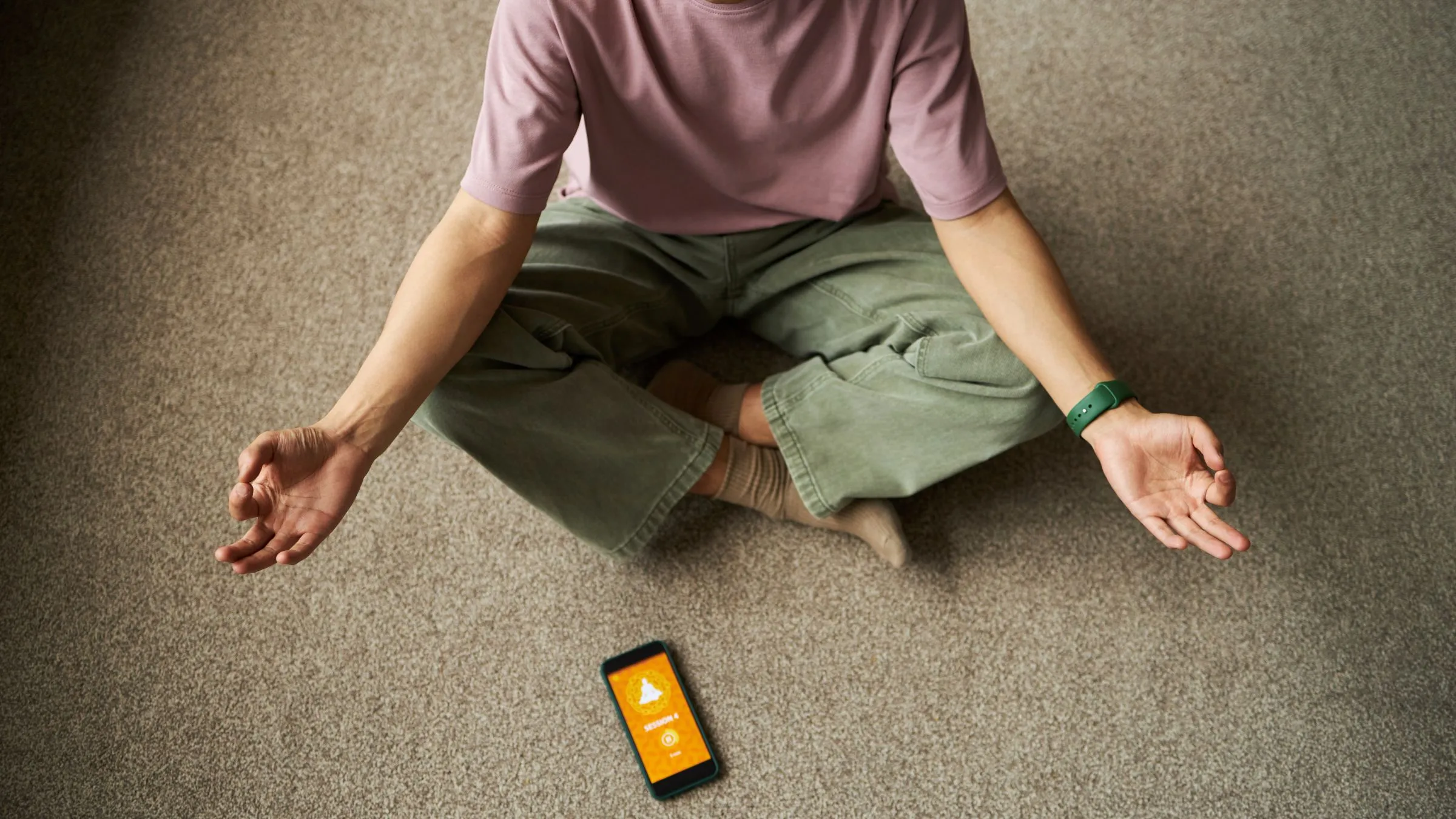
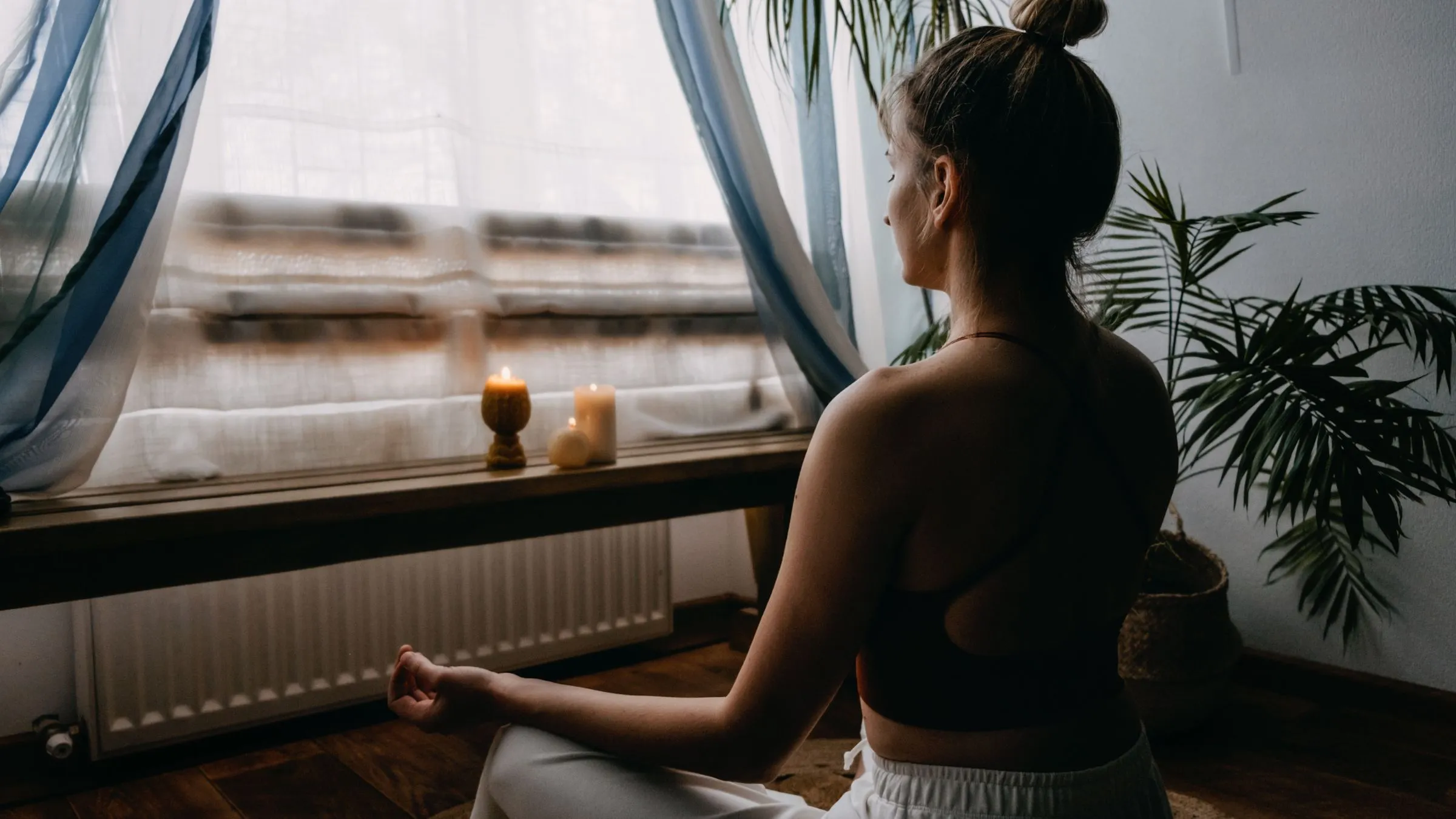
An audio sleep app works like a bedside radio built for the end of the day. You choose a story, a guided meditation or a mix of sounds such as rain or ocean waves, set a timer, and let it play as you drift off. Some add breathing exercises or short relaxation routines for the hour before bed.
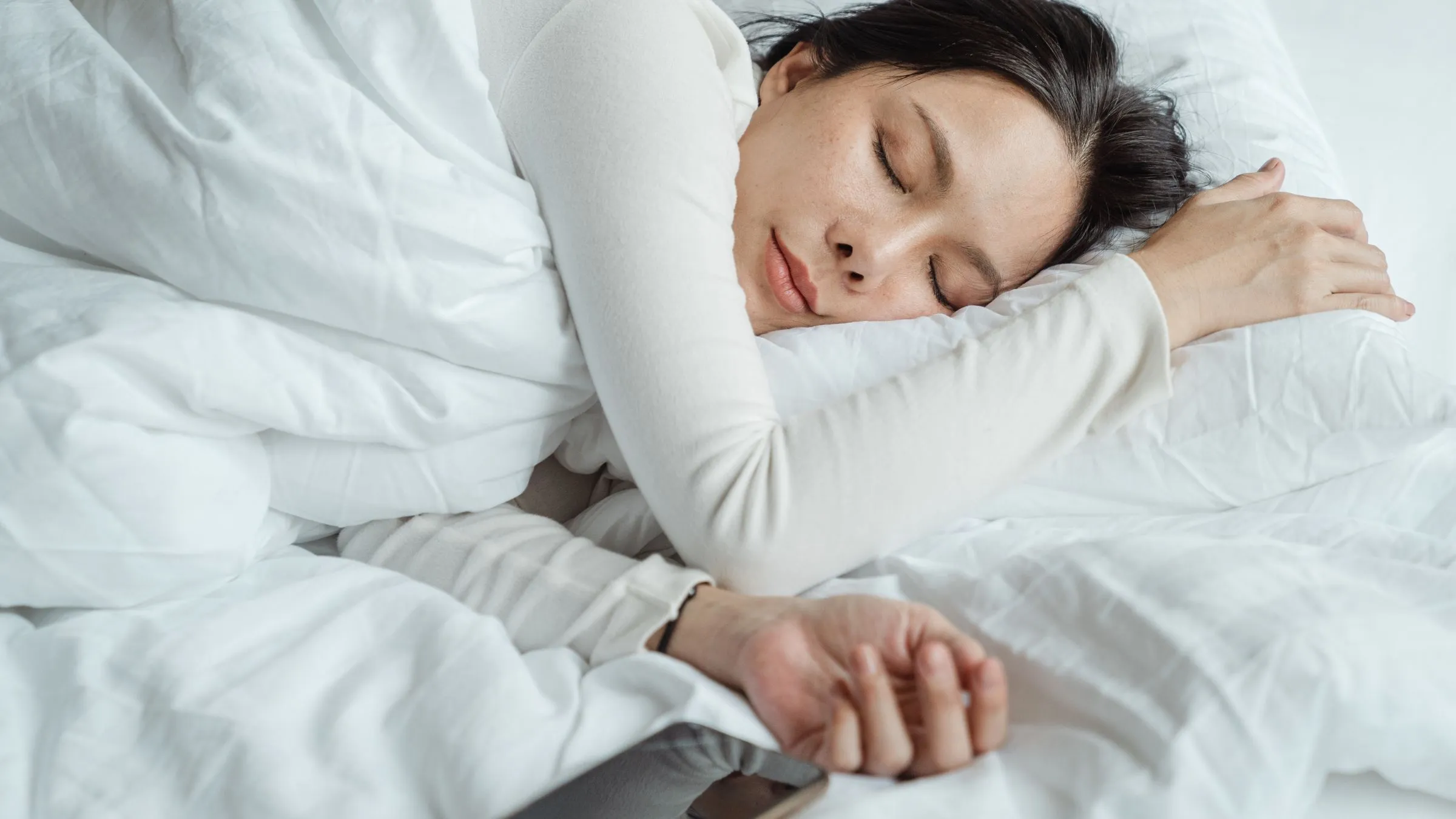
A tracking app works differently. You leave your phone on the nightstand, or wear a watch, and the app listens or senses movement through the night. In the morning it shows when you slept, how long you slept and, in some apps, sounds such as snoring or talking. Many trackers also offer a smart alarm that aims to wake you within a set window rather than at one fixed minute.
These apps are tools for bedtime routines and curiosity about your own nights. They are not medical advice, and a sleep problem is a matter for a doctor.
What to look for
Listening or tracking. Decide which you want first. If you mainly want help winding down, an audio app is the simpler choice. If you want to see your patterns, look at the trackers.
How tracking works. Trackers differ in method. Some listen with the phone’s microphone, some use motion sensors, and one uses sonar. Check whether the phone needs to be on the bed, the nightstand or the floor, and whether a watch is involved.
The kind of audio. Stories, music, nature sounds, guided relaxation and “sound mixer” tools that let you build your own blend all feel different. Free tiers and trials let you sample before you commit.
Timers and endings. Look for a sleep timer and a gentle fade, so the audio stops once you are asleep.
Free tier. Some apps keep a useful free version; others require a subscription after a trial. Read the maker’s own description of what stays free.
Platforms. Check the app runs on your phone, and on your watch or TV if you want it there.
The apps
Calm
Calm, from Calm.com, Inc., is a general relaxation app with a large sleep section. Its sleep content includes Sleep Stories, bedtime stories for adults read by narrators including Stephen Fry and Matthew McConaughey, with more than 100 in the library and new ones added each month. Around them sit calming music, nature sounds such as ocean waves, heavy rain and campfire, breathing exercises and guided meditation from beginner to advanced, including the Daily Calm sessions and 7-day and 21-day programs. It runs on iPhone, iPad, Apple Watch and Apple TV, and on Android. Free tier: yes; its store listing says Calm is free to download and use, with no ads, and some programs and features free forever, while other content needs a paid subscription.
BetterSleep
BetterSleep, from BetterSleep Health and formerly known as Relax Melodies, is built around a sound mixer. You can combine more than 300 sounds, music tracks and tones into your own soundscape, then add bedtime stories, of which there are more than 100, guided meditations or breathing exercises. The app also includes a sleep tracker and a sleep recorder that picks out snoring, movement and sleep talk so you can listen back in the morning. It runs on iPhone, iPad, Apple Watch and Apple TV, and on Android. Free tier: limited; the maker says the free trial gives full access, after which a limited selection of free content remains without a subscription.
Sleep Cycle
Sleep Cycle, from Sleep Cycle AB, is a tracker that needs no wearable. You place your phone on the nightstand, and it follows your night through sound analysis or through the phone’s motion sensor. Its Smart Alarm aims to wake you during your lightest phase of sleep within a wake-up window you set, up to 90 minutes long. It also flags night-time noises such as snoring, coughing and sleep talking, lets you log notes on things like caffeine, stress or exercise, and offers an AI coach called Luma. It runs on iPhone, iPad, Apple Watch and Android. Free tier: the app is free to download, and its store listing names soundscapes, sleep stories, data export and Apple Health sync among its Premium tools.
Pzizz
Pzizz, from Pzizz, Inc., plays what it calls “dreamscapes,” layered mixes of music, voiceover and sound effects. It has three modes: a sleep module, where you set the time you want to wake up; a nap module with its own narrations; and a focus module of “focuscapes,” each with a focus section and a gentler cooldown. It can send sleep and focus data to Apple Health. It runs on iPhone, iPad and Android. Free tier: yes; its store listing says that after a seven-day trial of the Pro version you can keep using the Classic version, which is completely free.
Rise
Rise, from Rise Science Inc, is a tracker organized around one idea, sleep debt. It calculates your sleep debt and its effect on your energy, and explains your “melatonin window” and when to prioritize sleep. Around that it adds a smart alarm, habit reminders, calendar integration, home-screen widgets, sleep sounds, meditation guides and a library of articles about sleep. It runs on iPhone, iPad, Apple Watch and Android. Free tier: no; its store listing says a paid subscription, or a seven-day free trial, is required to use the app’s content.
Slumber
Slumber, from Slumber Studios, is a library of bedtime stories and sleep meditations written and recorded for the app, with bedtime stories for children and ASMR soundscapes as well. You choose an episode and adjust its background music, nature sounds and effects. A “Delayed Ending” setting keeps the background sound going after the story ends, favorites can be saved for offline listening, and five new tracks are added each week. It runs on iPhone, iPad and Android. Free tier: yes; its store listing offers more than 20 episodes free, with a premium membership for the full library.
SleepScore
SleepScore, from SleepScore Labs, tracks sleep without contact, using sonar from a phone left on the nightstand to follow movement and breathing through the night. The app breaks the night into sleep phases, shows trend charts, offers personalized advice, sleep sounds and a smart alarm, and can produce a 30-day report that you can take to a doctor. On Apple devices it runs on iPhone only, and its store listing notes it is not validated for iPad, iPod touch, iPhone 5s or iPhone SE; it also runs on Android. Free tier: yes; its store listing says SleepScore is free to download and use, with a subscription for advanced features.
Frequently asked questions
Do I need a smartwatch to track my sleep? No. Sleep Cycle and SleepScore are built to work from a phone on the nightstand. Sleep Cycle and Rise also have Apple Watch apps.
Which apps are only for listening? Slumber is a library of stories and meditations, and Pzizz is built around its dreamscapes. Calm is mostly listening too, with stories, music and sounds.
What is a smart alarm? A smart alarm wakes you within a window you choose rather than at one fixed minute. Sleep Cycle’s, for example, aims to wake you during your lightest phase of sleep within a window of up to 90 minutes.
Can a sleep app diagnose a sleep problem? Treat an app’s results as notes to bring to a doctor, not a diagnosis. SleepScore’s 30-day report is designed to be shared with a doctor, and anyone worried about their sleep should speak to one.