Thorne Report Tracks Wellness Information Choices
Thorne Wellness Compass examines how 3,004 U.S. consumers assess health information, AI advice, expertise, and wellness progress.
by Body & Soul Newsroom ·
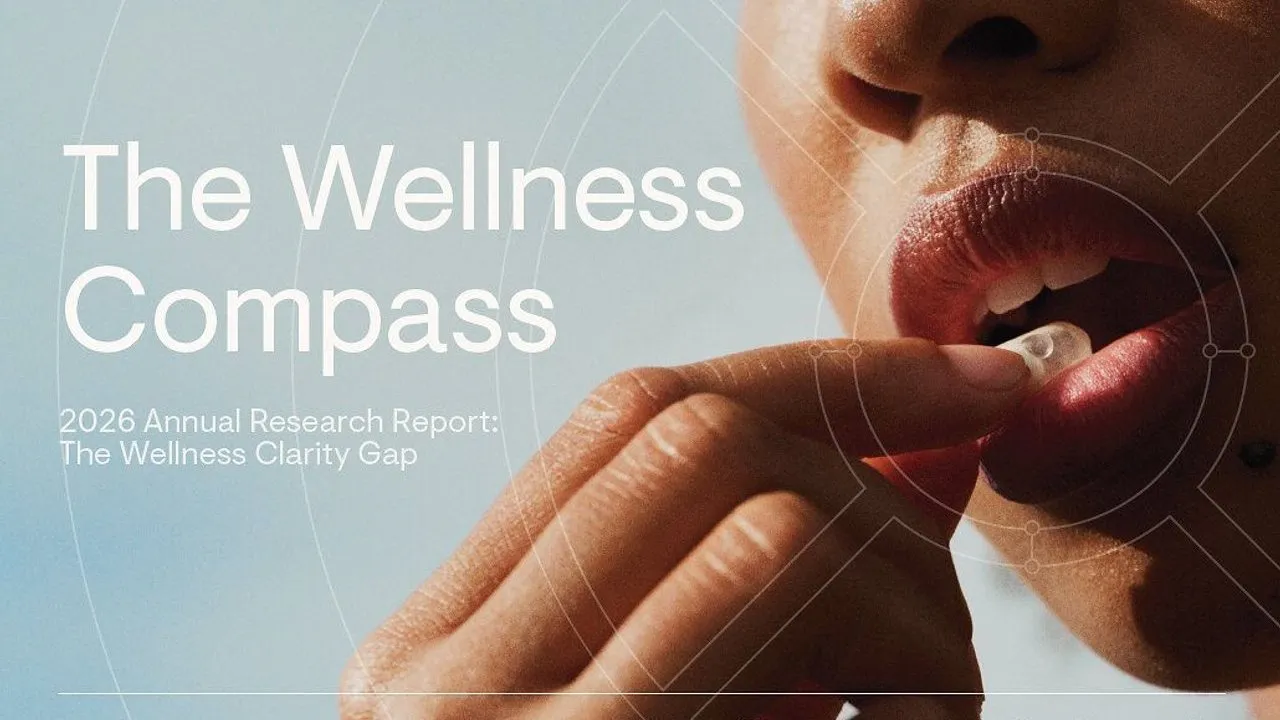
Thorne has released the second edition of its annual Wellness Compass research report, The Wellness Clarity Gap, developed with research firm Censuswide. The study was conducted among more than 3,000 U.S. consumers and examines AI, human expertise, and generational differences in everyday wellness decisions. It found that 78% of surveyed consumers say too many people claim to be health or wellness experts. Half (50%) now trust AI tools for wellness advice, while 73% say they trust health advice from human experts more than AI-generated advice.
Trust And Health Advice
The report identifies a gap between more health information and greater clarity about who to trust, what steps to take, or how to measure progress. While 62% of surveyed consumers say they trust lived experience over formal training when evaluating health advice, trust in AI tools for wellness advice is up six percentage points from 2025.
Colin Watts, CEO at Thorne, said:
“We have more information about our health at our fingertips than ever before, but information alone doesn't tell us what to do with it. AI is already transforming how people access and interpret health information, but its value depends on the quality of the science and expertise behind it. At Thorne, we're bringing together more than 40 years of scientific rigor and innovation with new technologies to make personalized guidance more accessible, help people make informed choices, and better understand what works for them.”
Differences By Generation
Gen Z is nearly twice as likely as Boomers to report difficulty interpreting personal health information, at 26% vs. 14%. It is also more than twice as likely to be unsure what steps to take next, at 21% vs. 10%. Meanwhile, 54% of surveyed consumers wish they had more personalized supplement guidance.
Ways Consumers Track Progress
Within three months of making a health or wellness change, 31% of surveyed consumers reported achieving a specific health goal and clearly recognizing progress. While 45% rely on how they feel to evaluate results, 27% use clinical tests or biomarker data.
That commitment also extends to Taia™, Thorne’s AI-powered wellness advisor, which draws on the company’s scientific expertise, practitioner relationships, and product knowledge to help consumers explore their wellness goals and discover personalized supplement recommendations. The full 2026 Thorne Wellness Compass: The Wellness Clarity Gap report is available online.