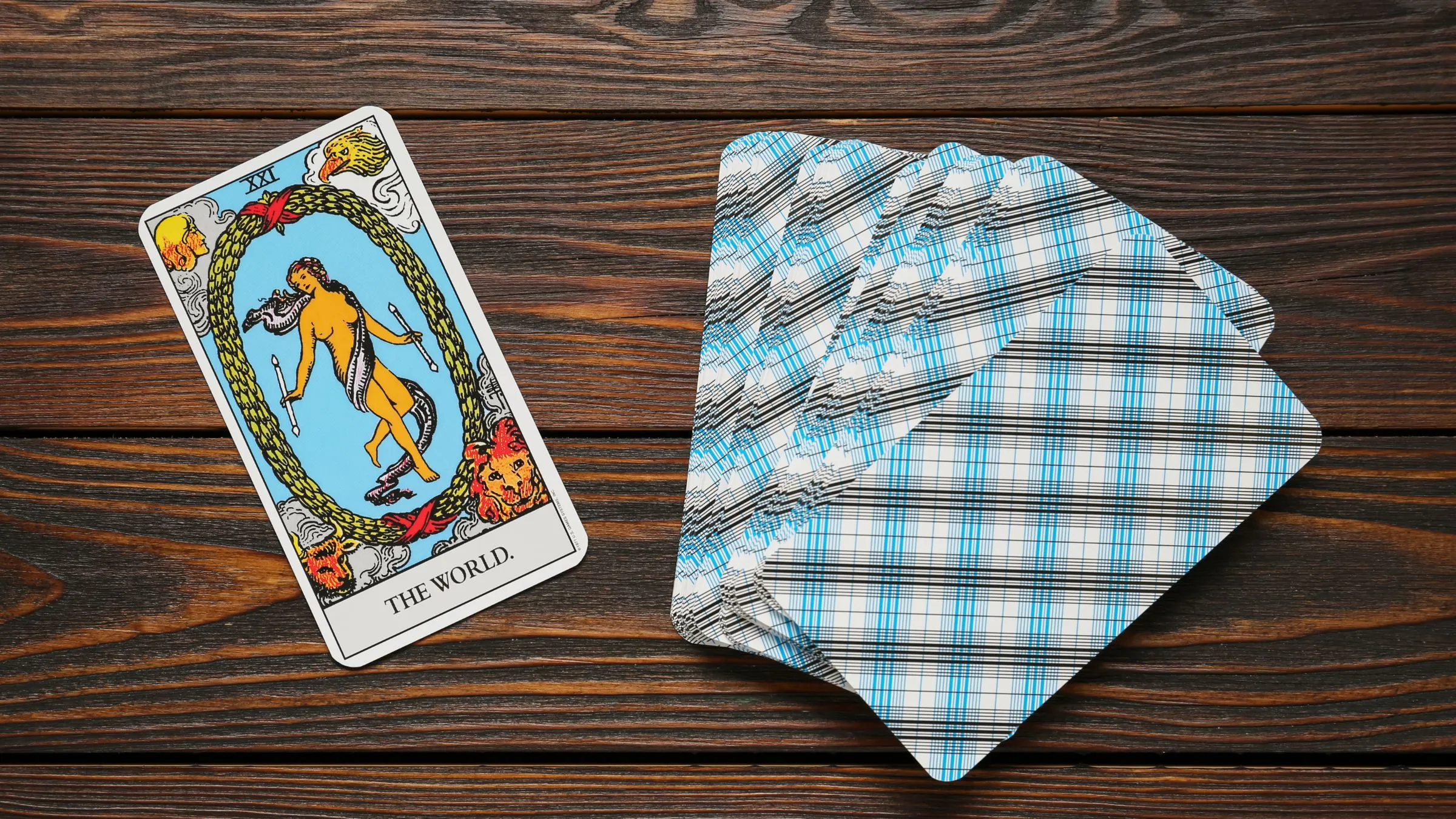
The Major Arcana
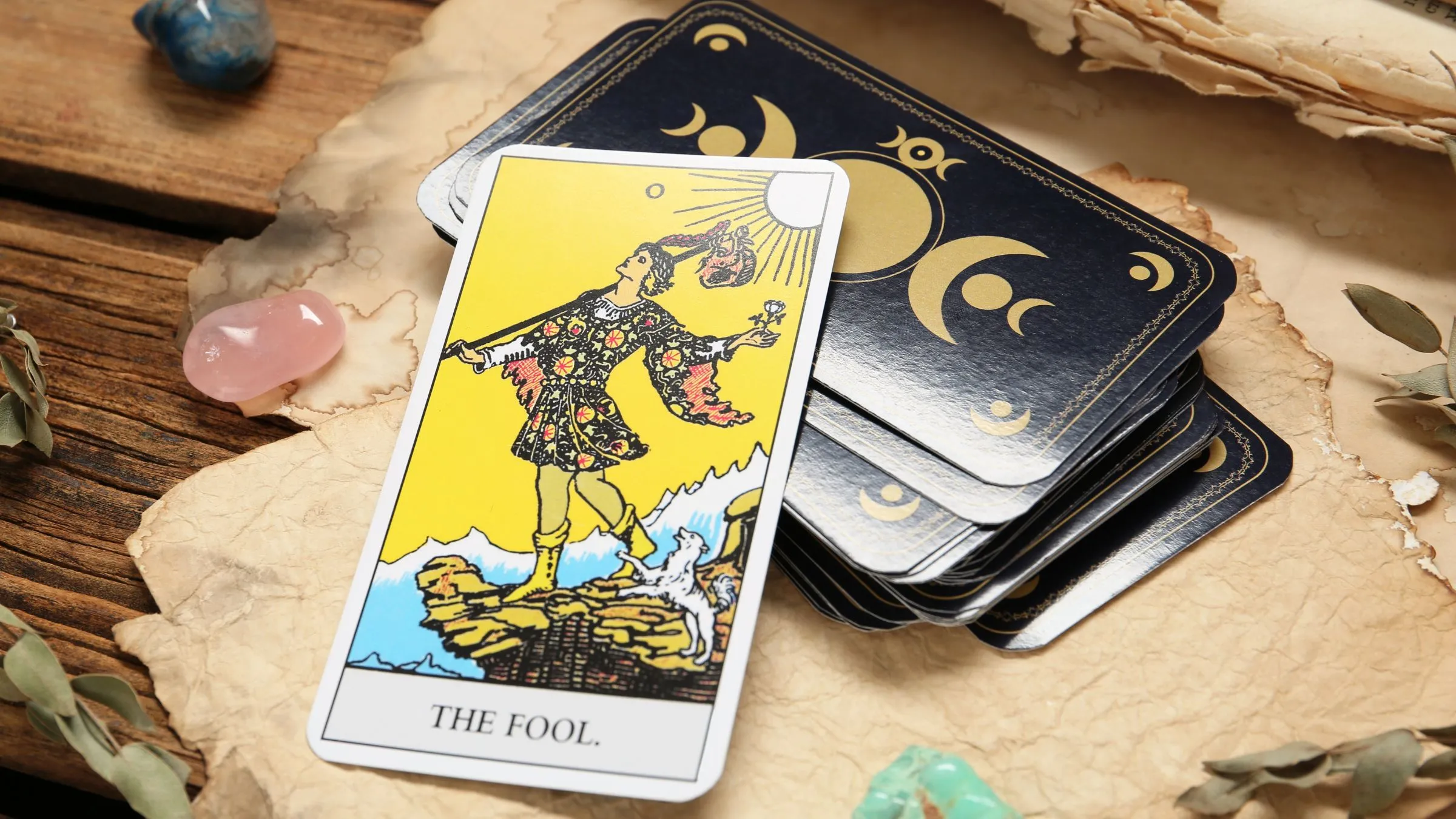
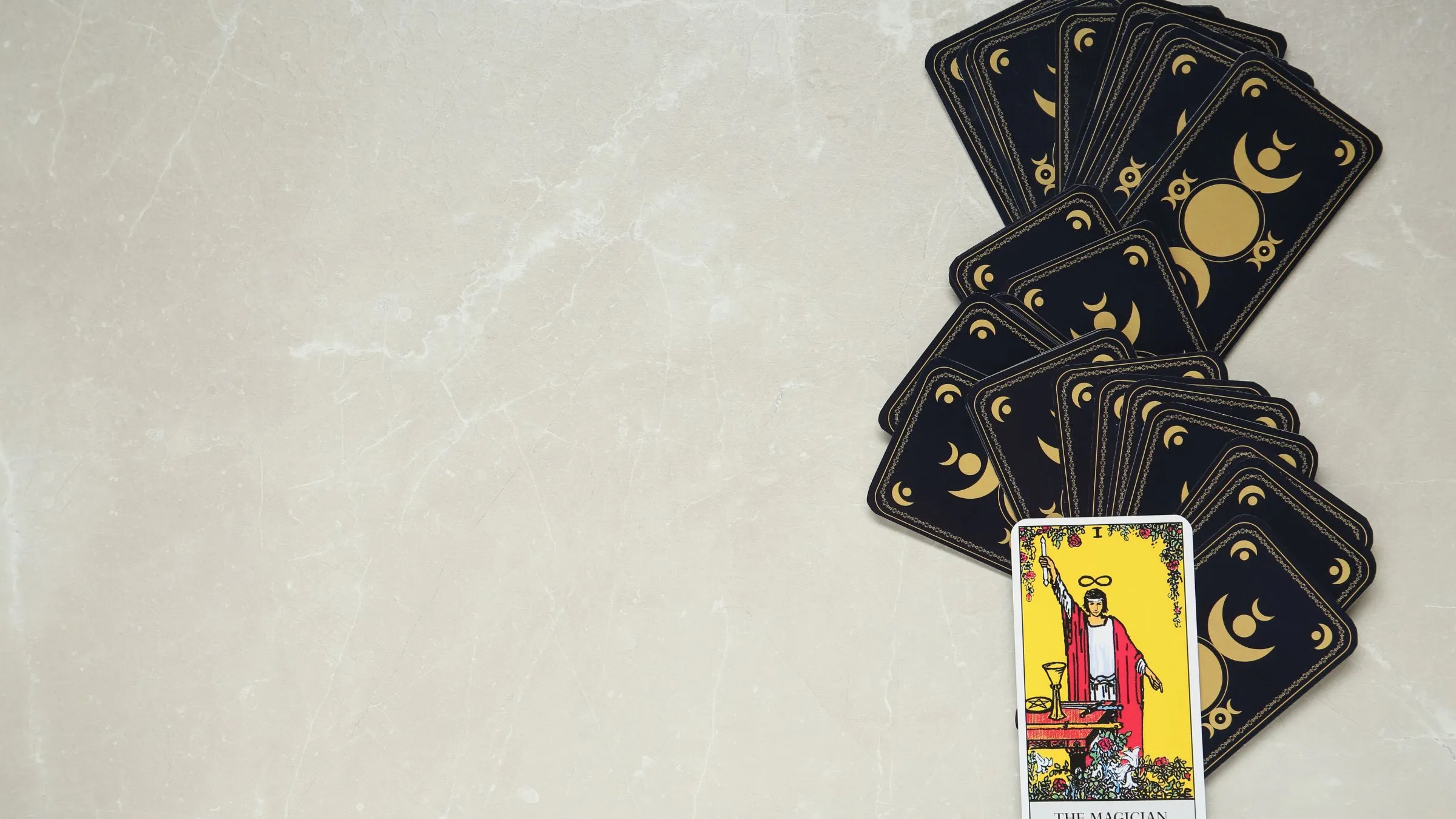
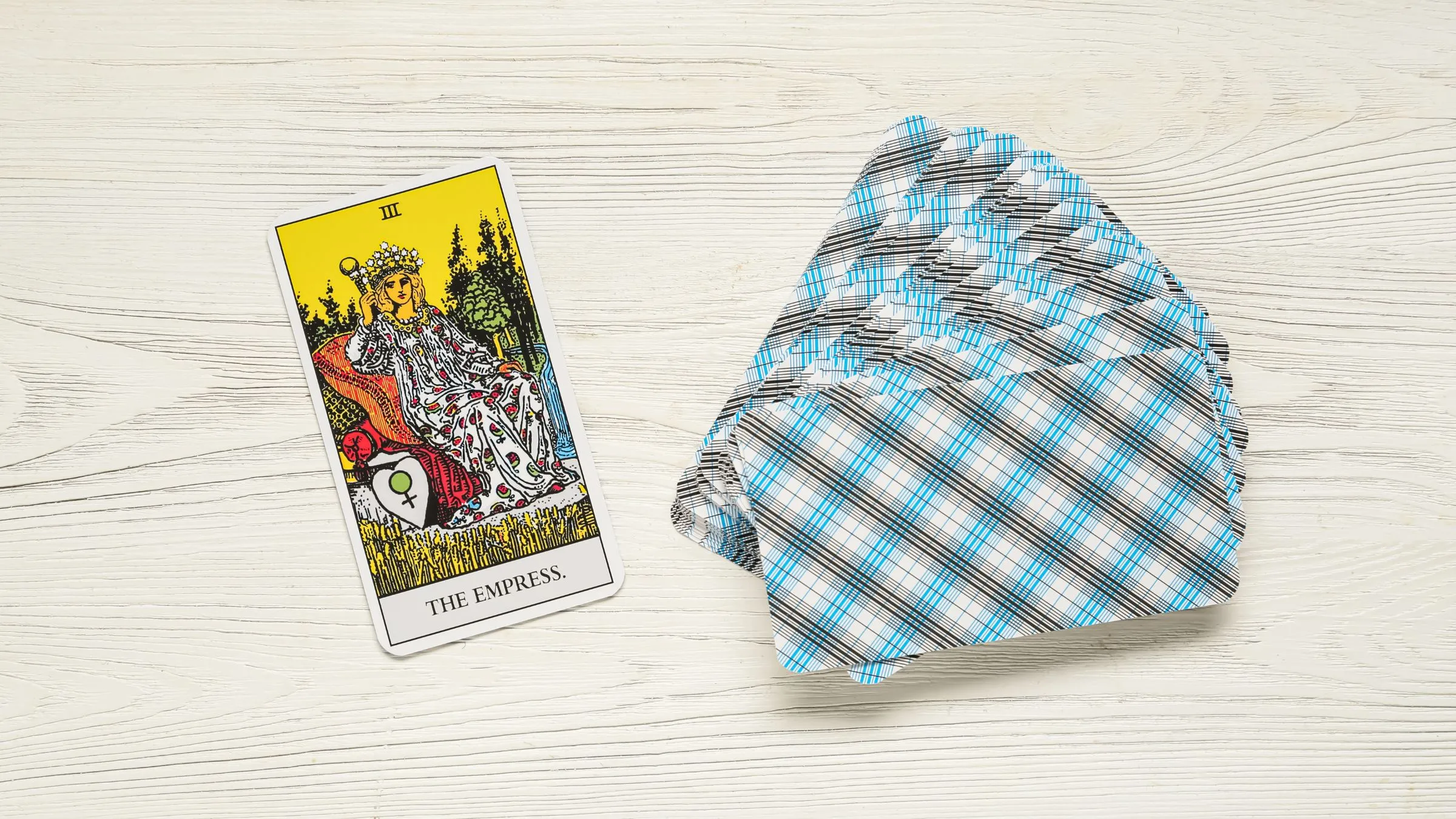
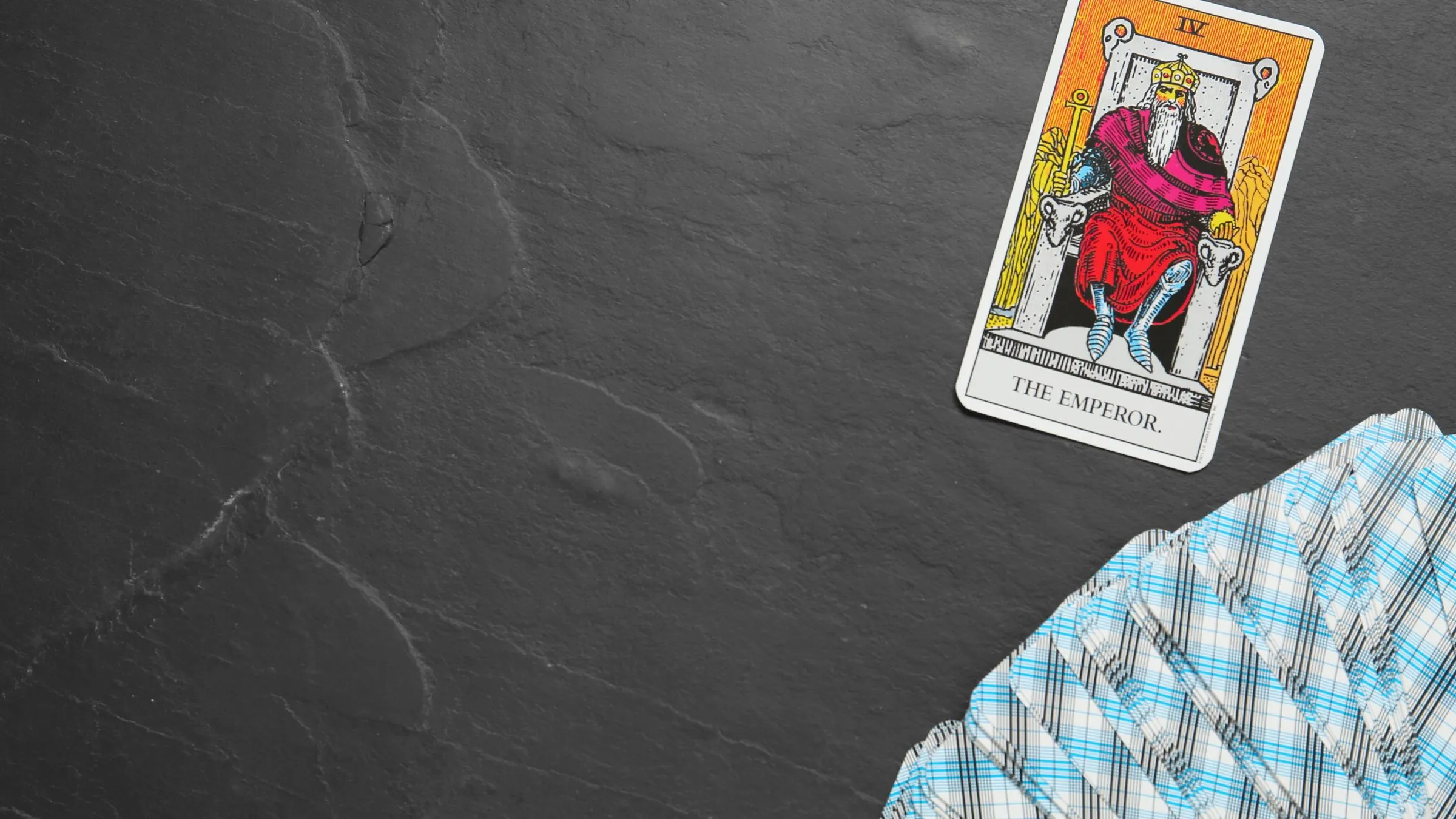
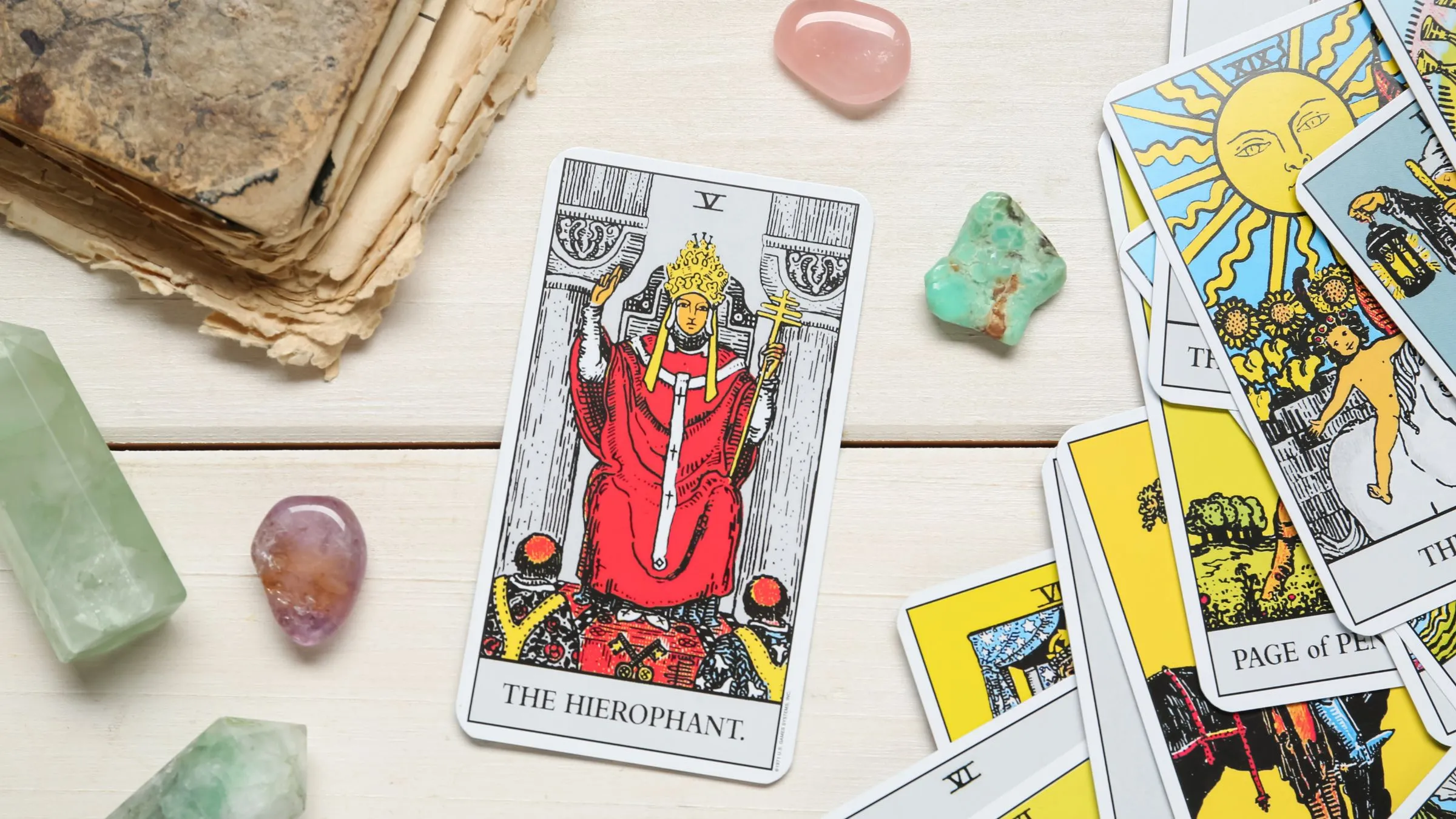
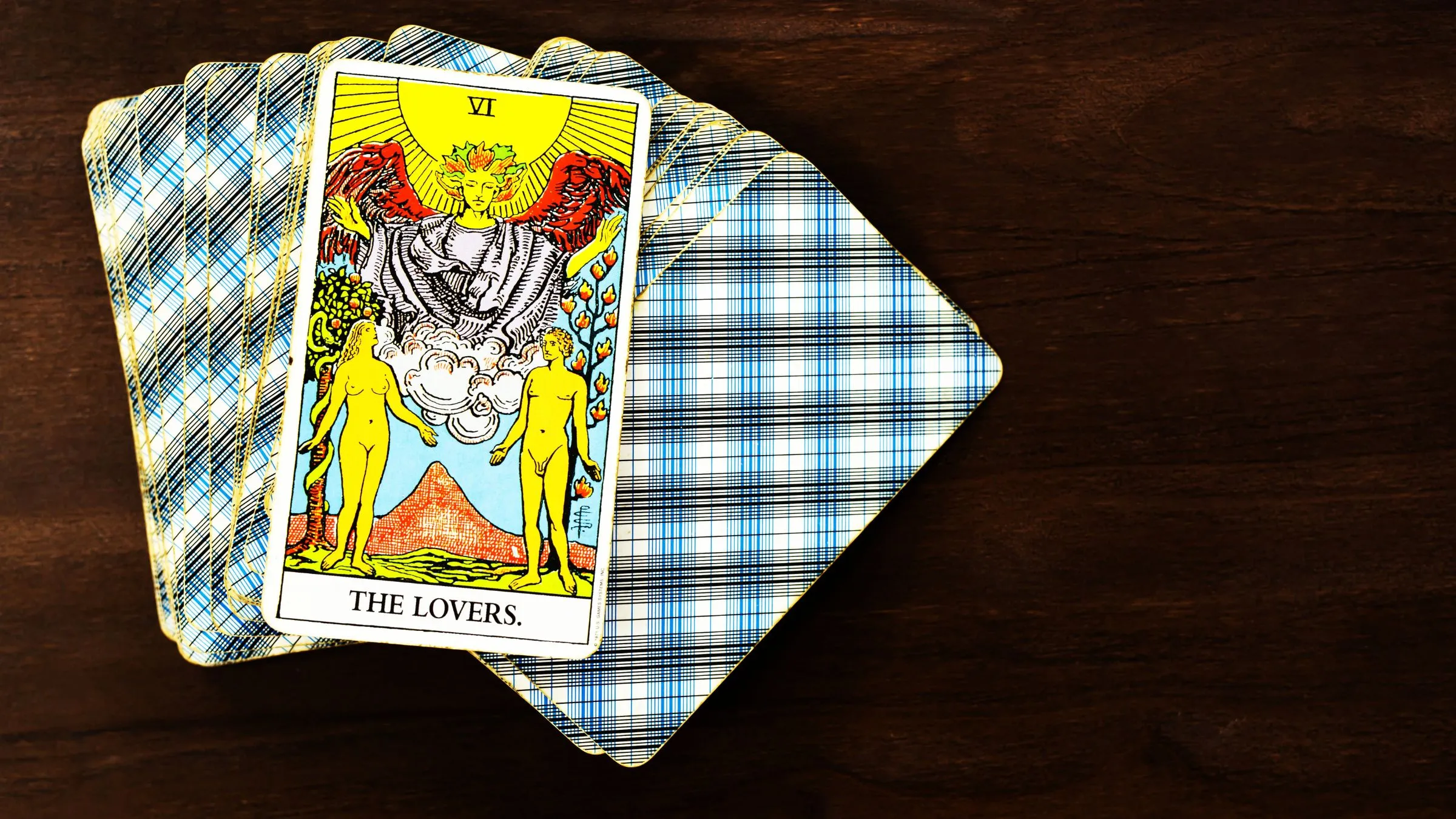
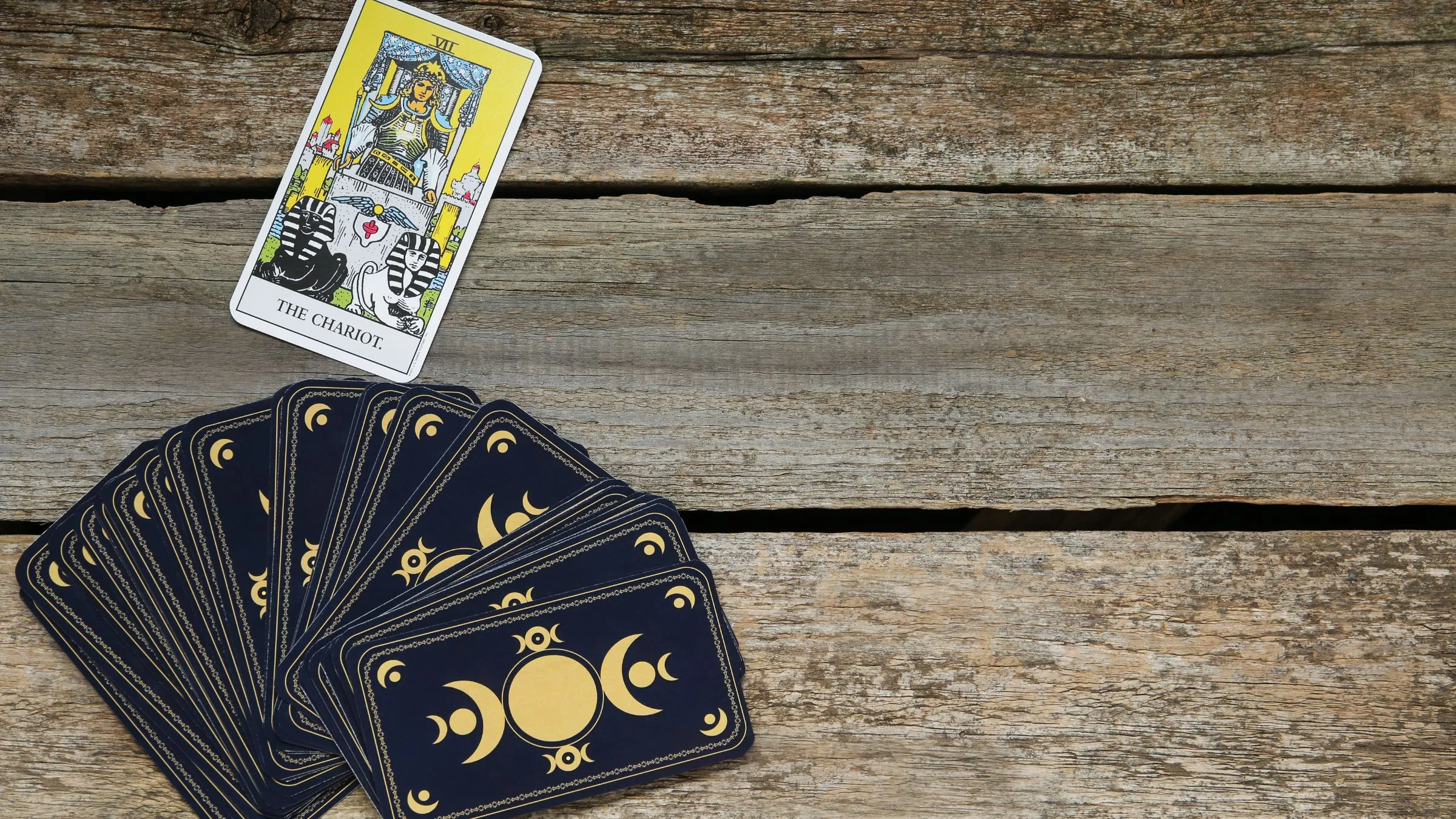
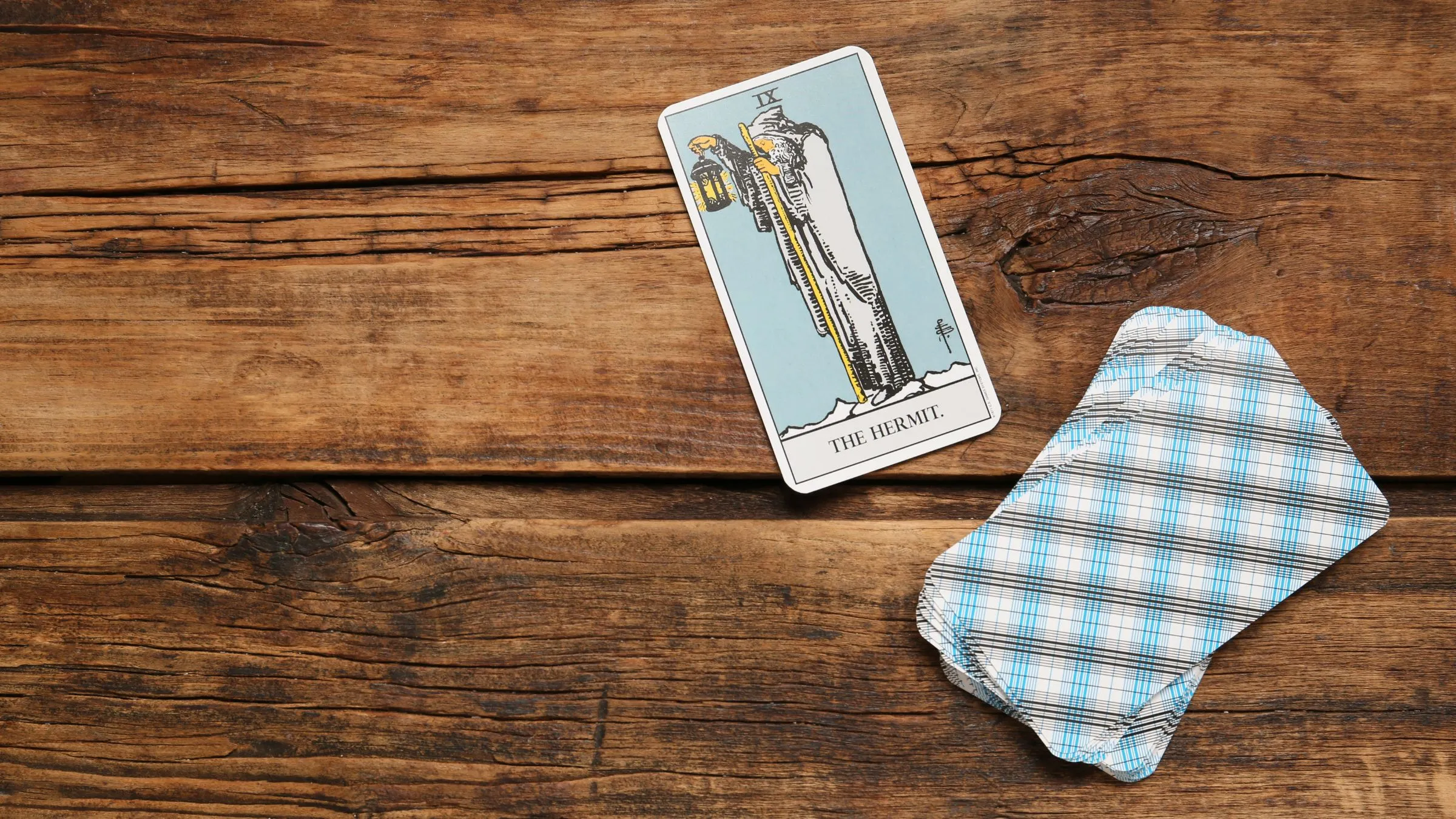
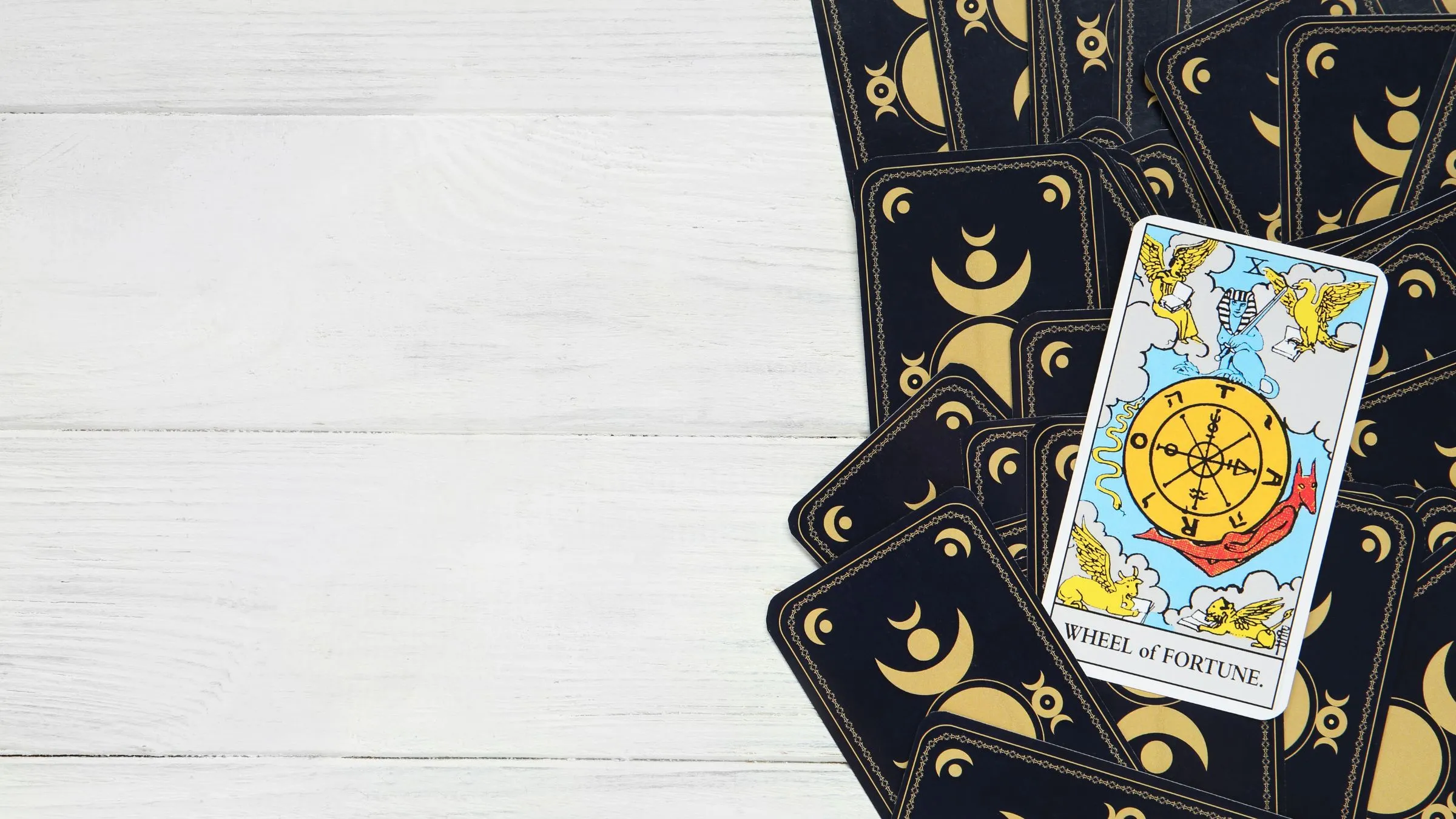
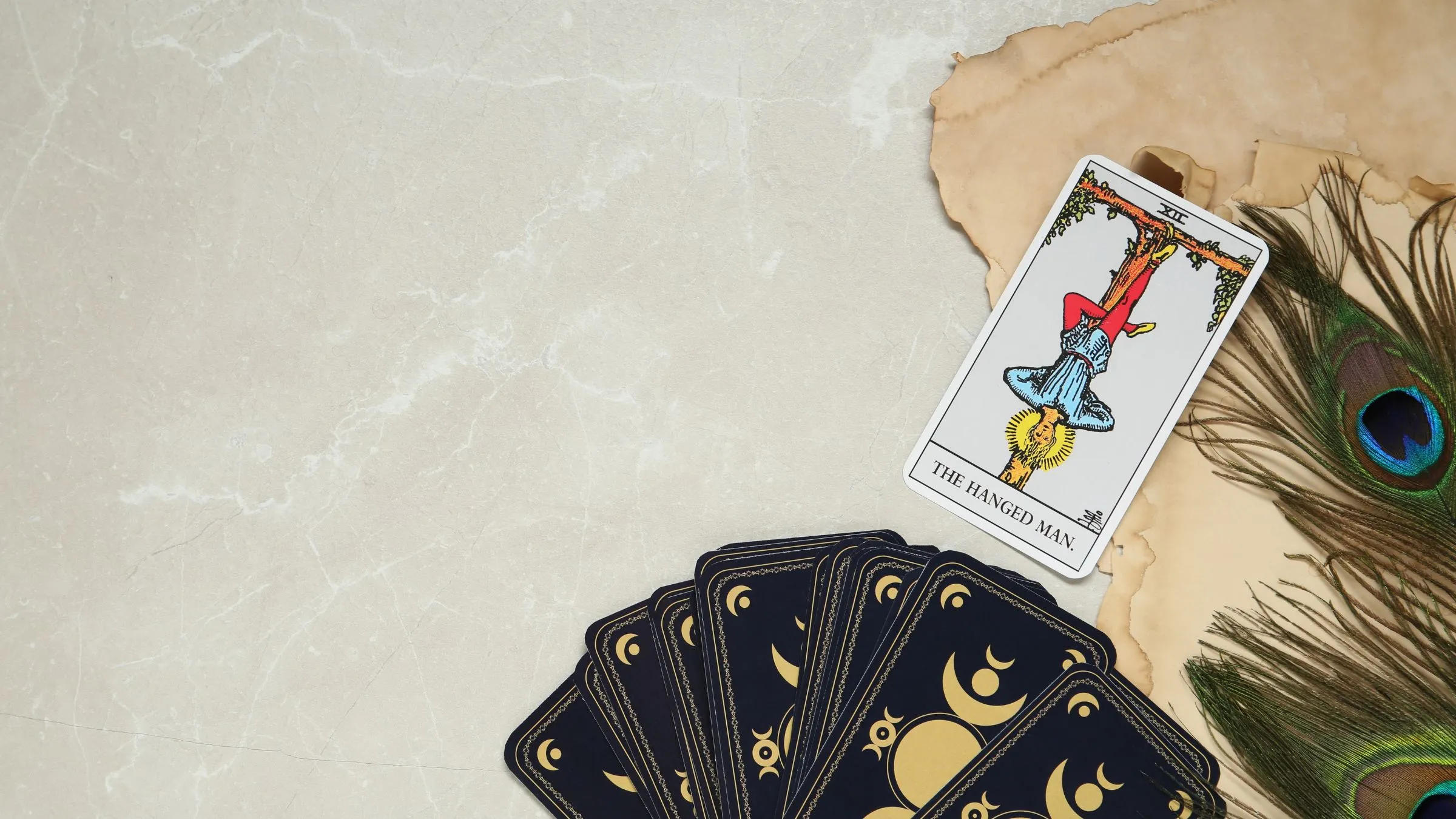
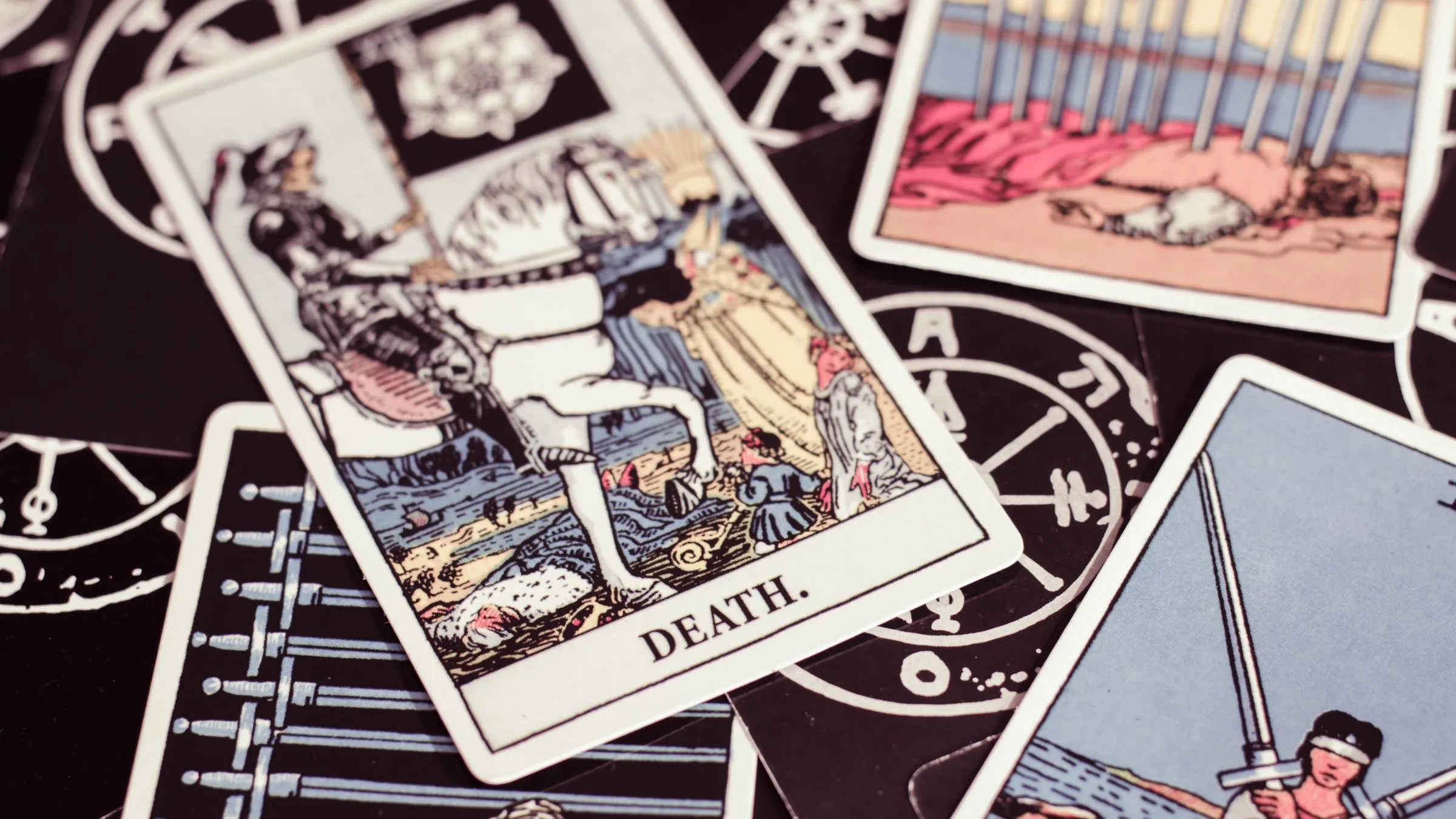
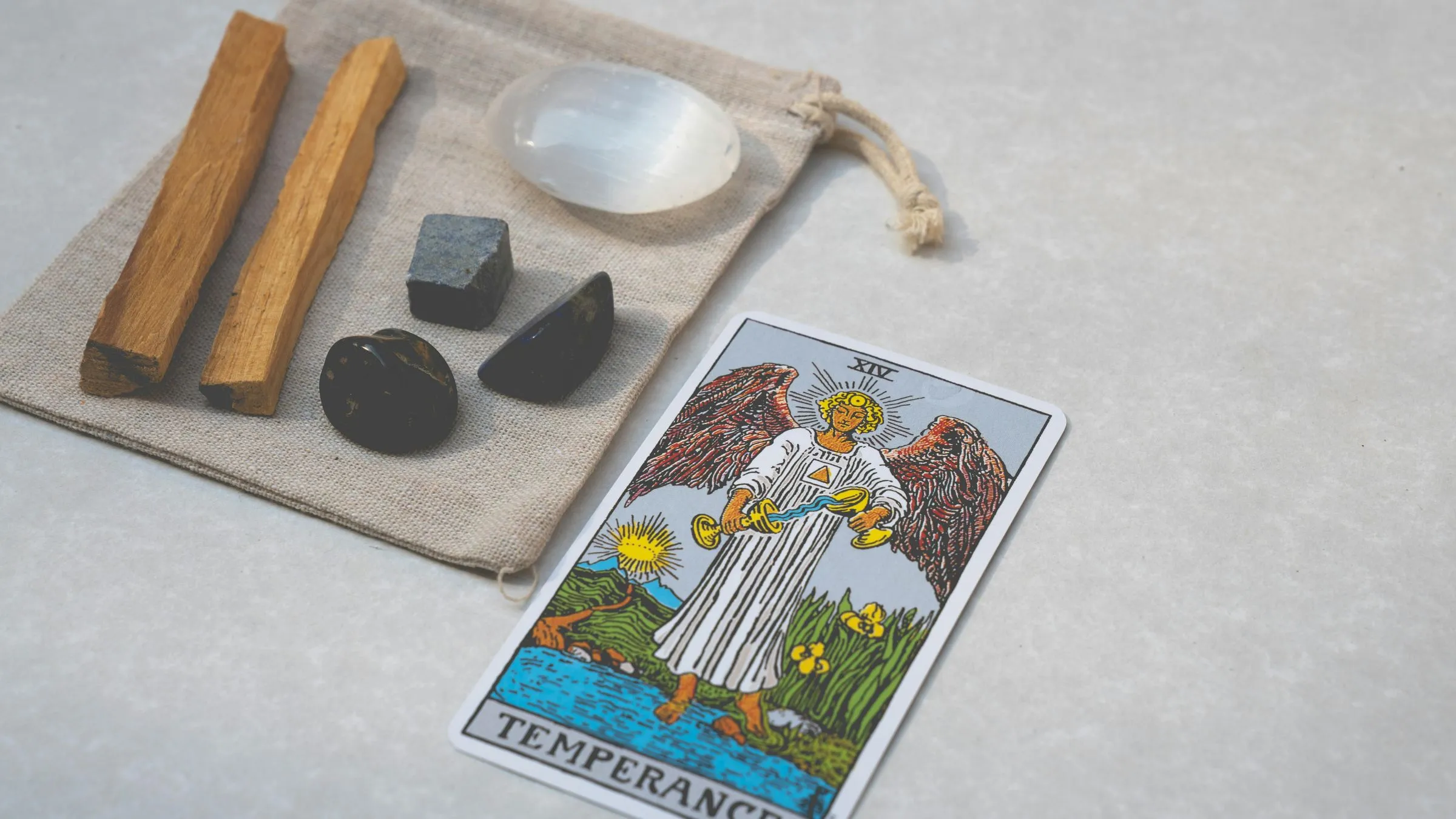
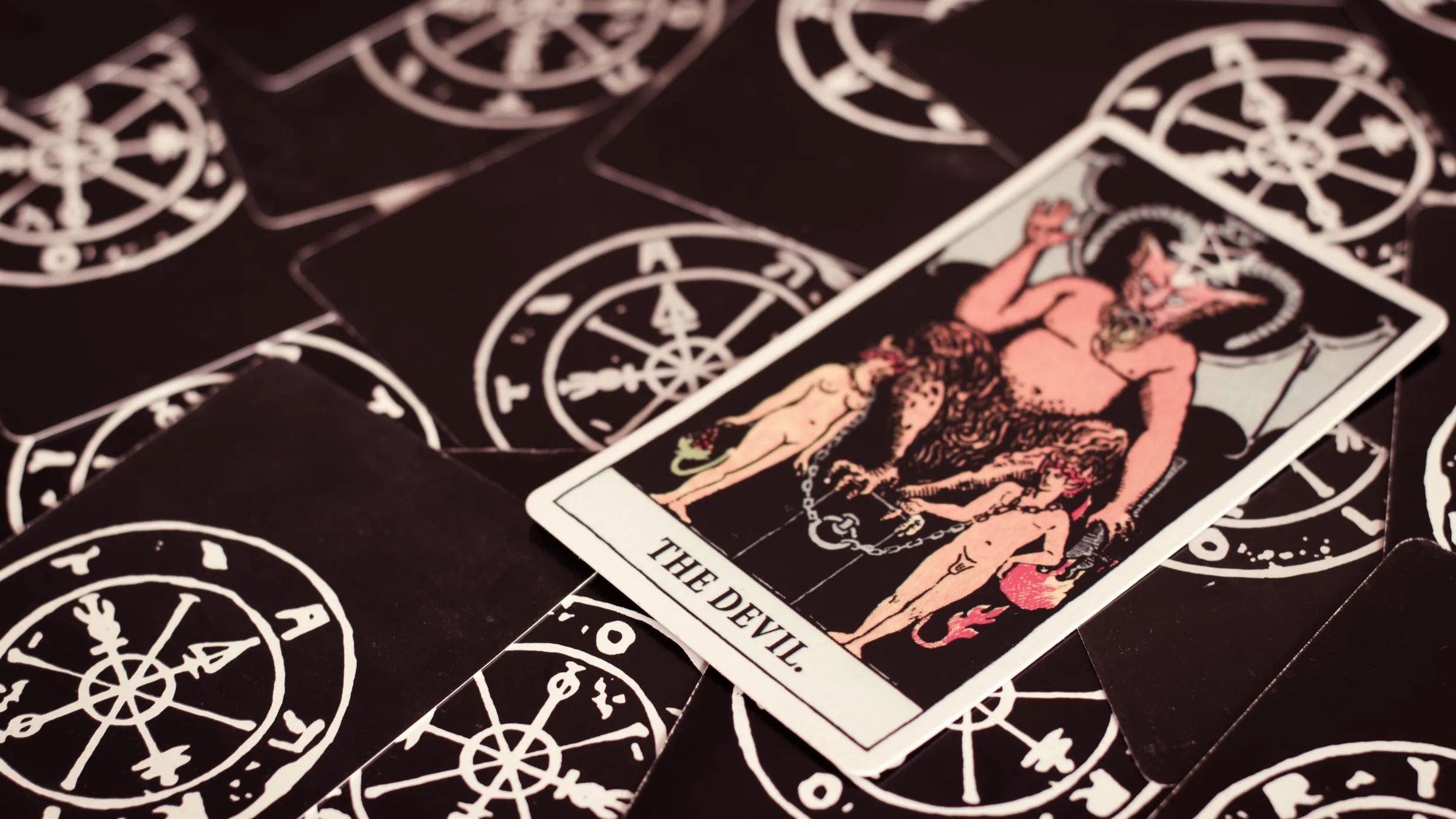
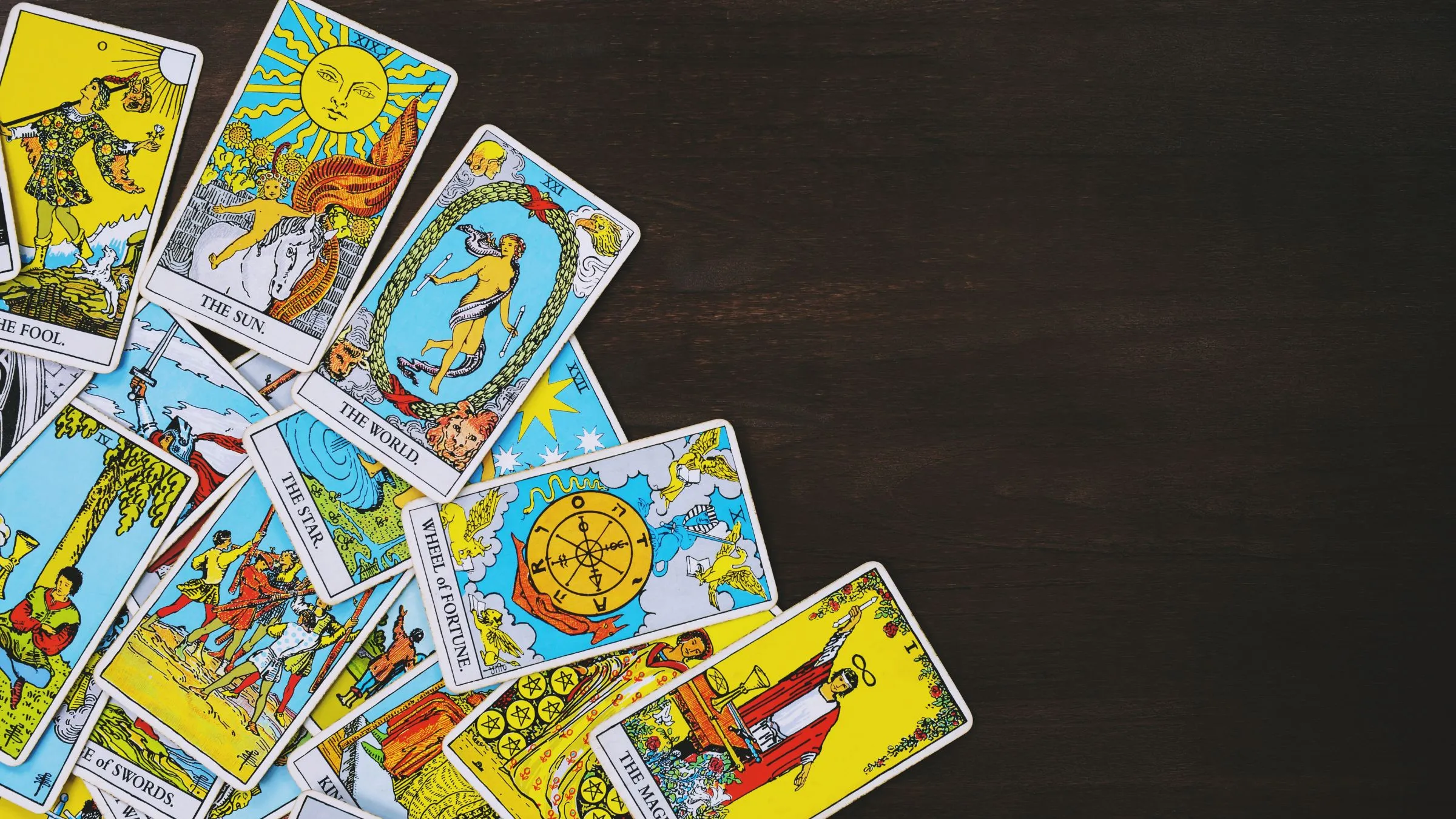
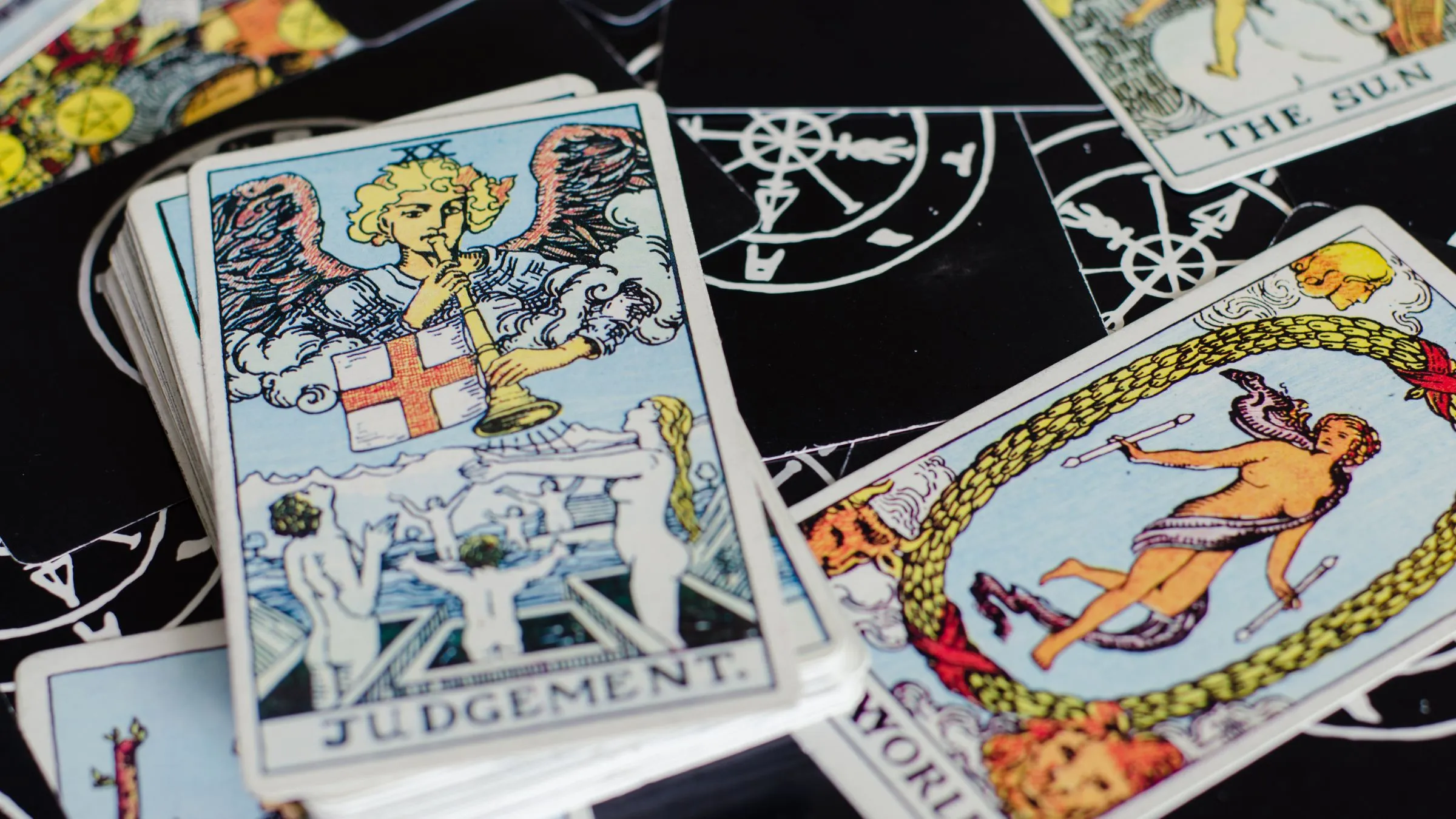
In the Rider-Waite tradition, a tarot deck has 78 cards in two parts, and the Major Arcana is the smaller part: 22 picture cards, from The Fool to The World. Waite called them the Trumps Major, “otherwise, Greater Arcana,” and set them apart from the four suits of the Lesser Arcana.
Biddy Tarot notes that the Major Arcana is made up of 21 numbered cards and one unnumbered card, The Fool. Waite wrote that placing The Fool at the head of the series as zero, as Court de Gebelin did, is “a simpler” and “a better arrangement,” and in the Rider-Waite deck it carries the number 0.
Modern readers give these cards the larger themes. Biddy Tarot describes the Major Arcana as the life lessons and big archetypal themes in a person’s life, and reads a Major Arcana card in a spread as one that often sets the scene for the whole reading. Biddy Tarot also describes the sequence as The Fool traveling through each card, meeting new teachers and lessons until he reaches The World, an idea tarot readers know as “the Fool’s Journey.”
The Rider-Waite-Smith deck
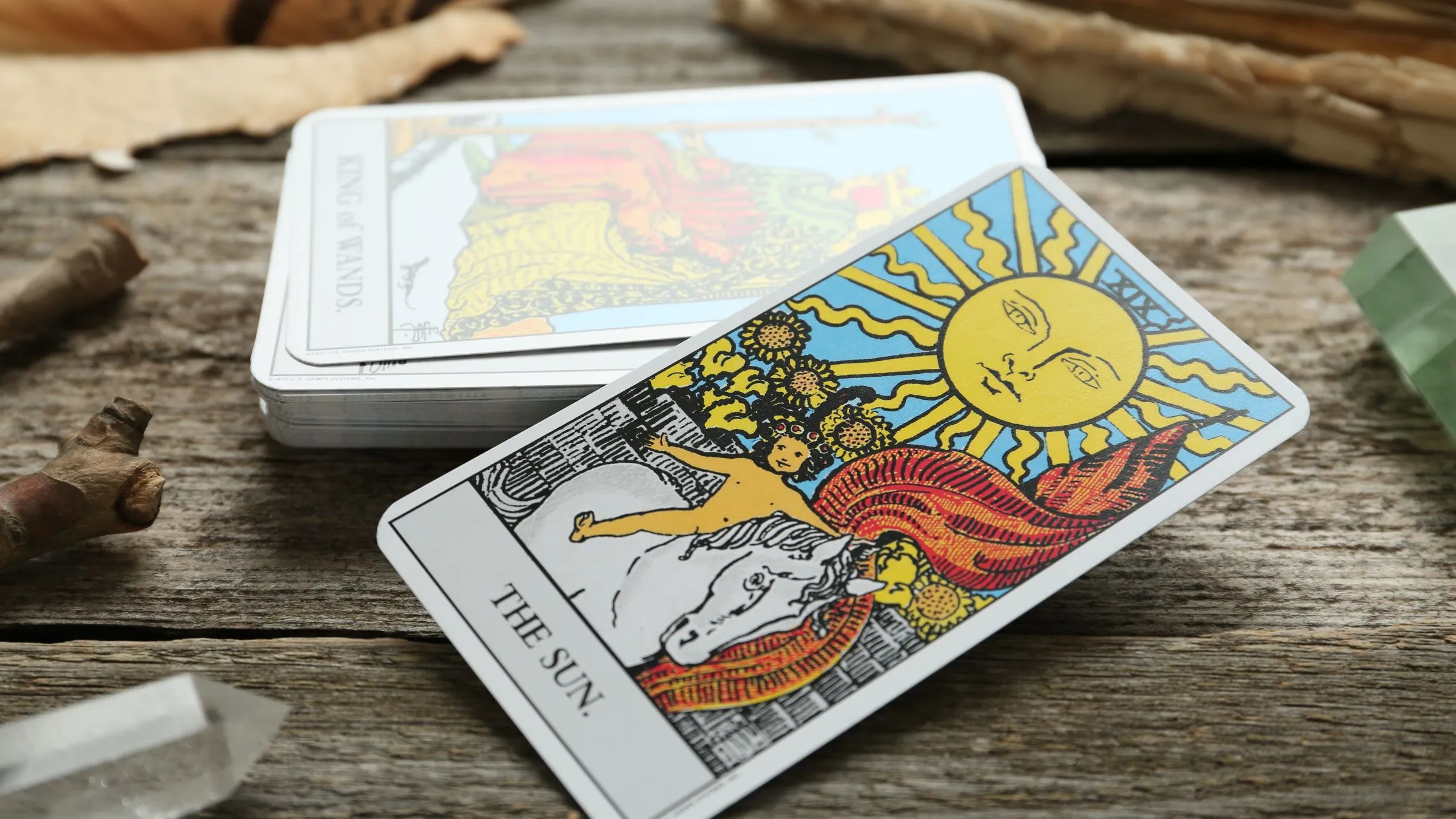
U.S. Games, in its notes on the Original Rider Waite Tarot Pack, records that in 1909 the artist Pamela Colman Smith’s involvement with the Order of the Golden Dawn led to a commission from Arthur Edward Waite to create a 78-card tarot deck. Tarot.com adds that Waite paid her only a token fee, and that under his guidance she produced the drawings that became the design inspiration for most later tarot decks. Tarot.com calls the result the best-selling tarot deck of all time.
Waite wrote that the cards were drawn and colored by “Miss Pamela Colman Smith.” In his preface, Waite wrote that they were prepared “under my supervision,” in respect of the attributions and meanings, “by a lady who has high claims as an artist.” U.S. Games records that Rider and Co. published the deck in 1910, and that it was the first deck to give the Minor Arcana pips full pictorial scenes. Tarot.com notes that some tarot scholars now prefer the name Waite-Smith Tarot, to recognize Smith’s part in it.
Waite’s own guide, The Pictorial Key to the Tarot, prints Smith’s 78 designs as plates beside his text, in a London edition from W. Rider dated 1911. That title page gives Smith’s dates as 1878 to 1951 and Waite’s as 1857 to 1942.
Reading a card
Waite himself held the fortune-telling side of the cards at arm’s length. Waite wrote that the meanings drawn from the Trumps Major by “the divinatory art” seemed to him “artificial and arbitrary,” and that the cards “belong in themselves to another region,” a world of high symbolism.
Biddy Tarot reads a Major Arcana card as a call to reflect on the life lessons and themes a person is living through at the time.
Upright and reversed
In Waite’s order, Strength is card VIII and Justice is card XI. Waite gave a reversed meaning for every card in his divinatory lists, and Labyrinthos and Biddy Tarot give a reversed reading for every card as well.